
This article explains how light influences purchasing decisions in the context of consumer behavior and packaging design. It covers how illumination guides visual attention, emotional and cognitive processing, its effects on product visibility and perceived quality, psychological mechanisms, benefits for brands, and implications for shelving and packaging strategy.
Light influences purchasing decisions by guiding attention, improving product visibility, and triggering emotional responses that shape how shoppers evaluate items. Subtle illumination makes products easier to notice, reduces decision fatigue, and increases perceived quality, while warm or soft light creates comfort and trust. Light also directs eye movement on crowded shelves, making highlighted products more likely to be selected.
Today’s retail landscape exposes shoppers to far more visual information than the human brain is naturally prepared to process. Grocery aisles stretch with endless variations of similar products; cosmetics shelves present dense grids of nearly indistinguishable packaging; beverage coolers overflow with close-proximity alternatives. Despite this complexity, shoppers typically spend only a few seconds evaluating their options. This mismatch, high visual load combined with limited evaluation time, leads to a cognitive phenomenon known as choice overload, in which the brain seeks ways to simplify decisions by relying on rapid, subconscious heuristics rather than deliberate comparison.
Light is one of the most powerful of these heuristics. Because vision dominates sensory processing, accounting for a large majority of the information the brain receives, luminance becomes an organizing principle for perception. The human visual system instinctively gravitates toward areas of brightness or soft illumination, often before conscious thought begins. A product bathed in gentle light is not merely easier to see; it signals relevance, approachability, and clarity in a setting where shoppers must rapidly decide what deserves attention.
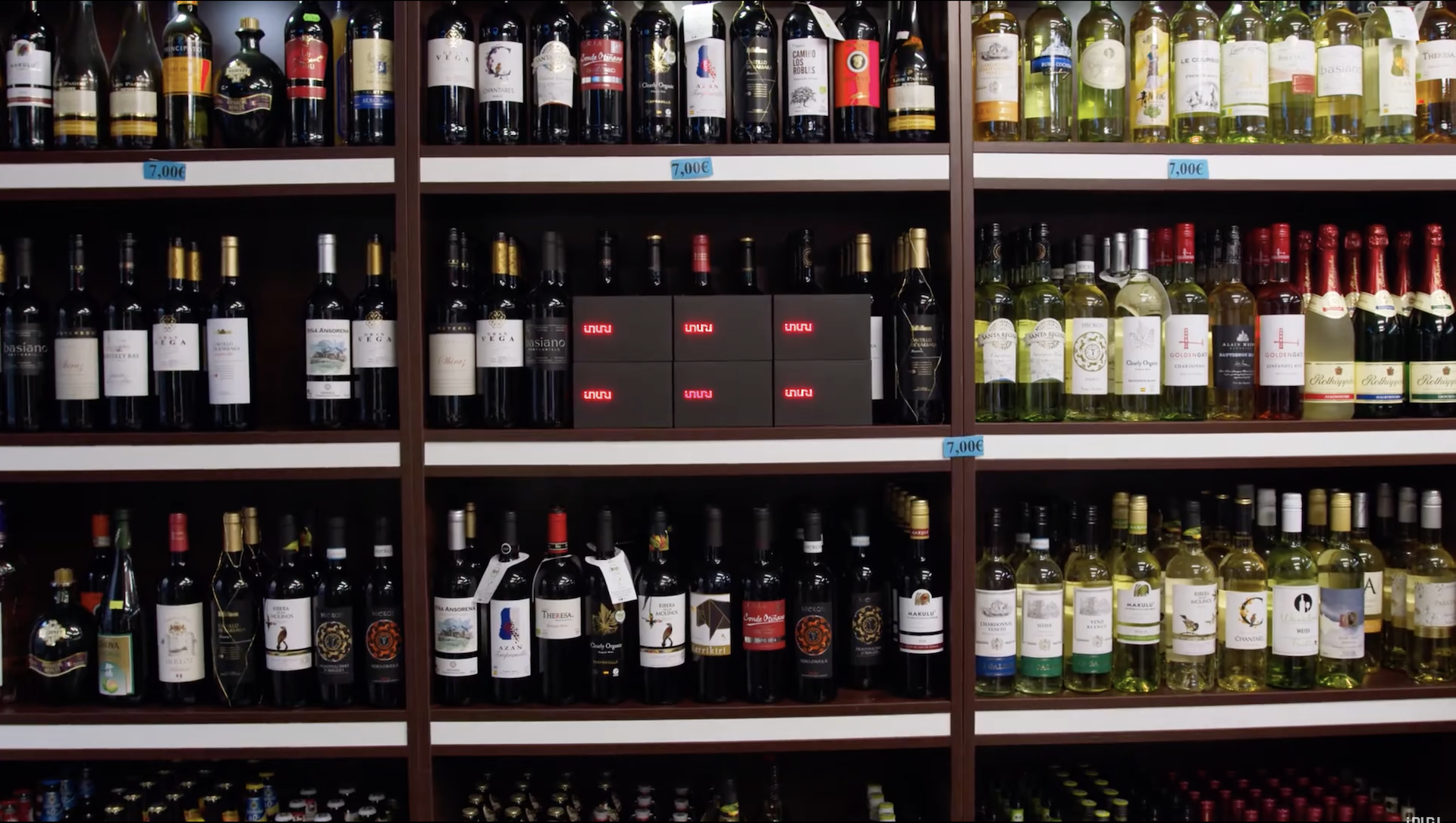
Illumination therefore shapes the earliest phase of product evaluation. It influences what is noticed first, which packaging elements appear more trustworthy or premium, how much mental effort the viewer must expend, and ultimately which products merit closer inspection. In this way, light functions as both a perceptual guide and an interpretive tool, making it one of the most influential and often underutilized elements in packaging design and shelf communication.
The effect of light begins at the level of neurobiology. Long before shoppers consciously assess a product, the visual system has already analyzed its basic features through pre-attentive processing. According to research by Orquin & Mueller Loose, attributes such as brightness, contrast, edges, and color temperature are prioritized within the first 100–200 milliseconds of viewing. These rapid evaluations determine which objects are immediately noticeable, which are tagged as potentially relevant, and which are filtered out entirely.
To manage overwhelming sensory input, the brain constructs what neuroscientists call a salience map - an internal representation of the visual field that highlights areas of potential importance. Luminance plays a central role in shaping this map. The visual cortex is acutely sensitive to changes in brightness, and illuminated objects are processed with greater efficiency by both bottom-up mechanisms (driven by the stimulus itself) and top-down mechanisms (guided by the viewer’s goals or expectations). Light effectively acts as a priority signal: it tells the brain, “Look here first.”
Lighting’s influence on early visual attention has been demonstrated in multiple controlled studies. For example, research by Lin et al. showed that increasing lighting contrast in a simulated retail environment led to significantly earlier eye fixations and higher visual engagement with illuminated products. Their findings confirm that even subtle changes in luminance alter how shoppers scan a shelf, shifting attention toward brighter or softly lit items long before conscious evaluation begins. Similar conclusions appear in retail lighting studies which found that light intensity and warmth not only affect attention but also increase positive affect and approach motivation - two psychological precursors of product interaction.
Light affects consumer behavior through intertwined psychological mechanisms that work together beneath conscious awareness. Understanding these pathways reveals why illuminated packaging consistently performs better in retail environments and why certain types of light evoke stronger reactions than others.
The first pathway involves attention capture. In a visually crowded environment where products compete for limited cognitive resources, luminance serves as an organizing force. Brighter or softly illuminated objects appear more structured and more visually relevant, guiding the shopper’s gaze with minimal effort. Research by Pieters & Wedel confirms that luminance is among the strongest drivers of visual attention, outperforming even color in highly cluttered displays.
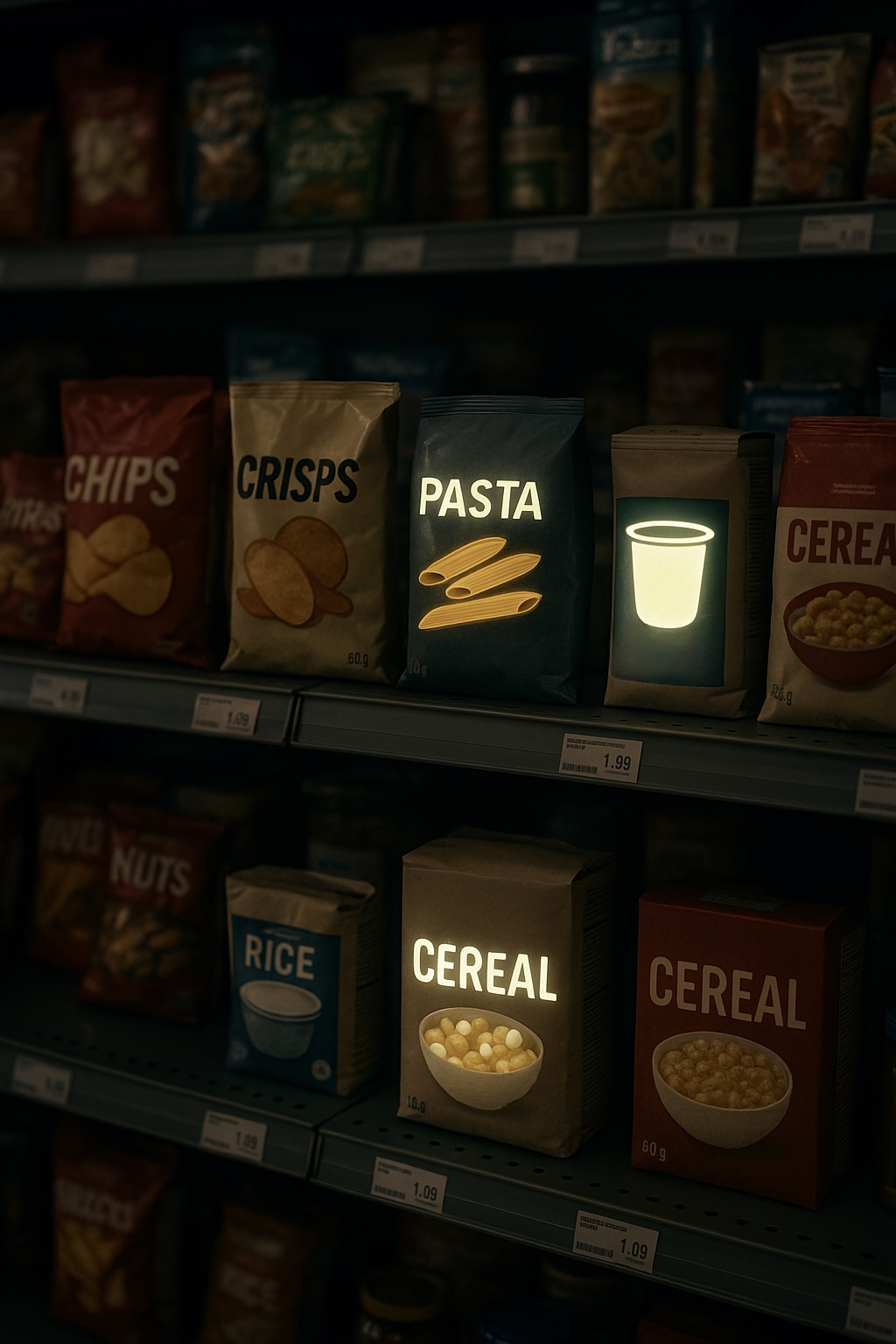
The second pathway relates to emotional response, governed largely by the limbic system. Warm, subtle illumination tends to create feelings of comfort, approachability, and craftsmanship, encouraging shoppers to explore the product more closely. Cooler or harsher lighting generates a more analytical or clinical impression, increasing psychological distance. Custers et al. found that warm, low-intensity lighting increases positive affect and encourages approach motivation - a key behavioral precursor to picking up a product or placing it in a basket. Emotion often outweighs rational thought in purchasing decisions; this makes light an especially powerful design element.
The third pathway is cognitive fluency, the ease with which humans process visual information. Illuminated objects are easier for the brain to interpret. Their details appear clearer, shapes more defined, and materials more meaningful. When processing becomes effortless, the entire experience feels more pleasant and more trustworthy. Fluency creates a halo effect: products that are easy to process are perceived as higher quality, more likable, and more reliable. Studies in aesthetic psychology support this, showing that soft illumination increases evaluation speed and decision confidence, two strong predictors of purchase intent.
Together, these pathways explain why lighting so strongly influences behavior. It determines what is seen, how it is felt, and how efficiently it is understood.
The moment a shopper approaches a shelf, a rapid sequence of visual decisions begins to unfold. Research shows that shoppers rely heavily on fast scanning behaviors, often evaluating only a small subset of available products before moving on. This initial scan typically lasts no more than three seconds, a window in which visibility becomes the dominant competitive advantage.
Illumination plays a decisive role during this short interval. By reducing the “search cost,” or the effort required to identify relevant items, light enables the brain to settle on a starting point more quickly. Products that receive earlier time-to-first-fixation, the moment the eye lands on them for the first time, enjoy a significantly higher probability of being evaluated and eventually purchased. Chandon et al. confirmed that illuminated shelf zones reliably attract earlier fixations even when product arrangement remains unchanged, demonstrating that visibility is not just a matter of placement but a perceptual phenomenon.
Because decisions compound rapidly, this early advantage persists throughout the rest of the evaluation process. A product seen first is more likely to be compared, more likely to be handled, and more likely to be chosen.
Light does more than determine what is seen; it shapes how products are interpreted. Perceived quality - a key driver of purchase decisions in many categories — is influenced heavily by sensory cues. Soft, uniform illumination reveals surface clarity, enhances color saturation, and emphasizes material richness. These qualities directly feed into a shopper’s sense of craftsmanship, authenticity, and care.
Neuroscientific research shows that products viewed under soft, diffused lighting activate the orbitofrontal cortex, a region associated with reward processing and value assessment. This neural activation leads shoppers to assign higher desirability and premium value to illuminated products. In controlled experiments, cosmetics displayed under soft lighting were consistently rated as more luxurious than identical products shown under harsh lighting evidence that illumination shapes not only perception but also judgment.

In essence, lighting does not simply make products look better; it changes the mental model through which quality is evaluated.
OLED illumination aligns exceptionally well with the psychological and sensory principles that shape consumer perception. Unlike LEDs, which can produce hotspots or glare, OLEDs emit soft, uniform light that the visual system processes comfortably and intuitively. Their diffuse, natural glow reduces visual fatigue and enhances cognitive fluency - the sense that a product is easy to interpret and therefore more trustworthy.
Because OLEDs are thin, flexible, and able to emit light from the surface of the packaging itself, they create a closer emotional connection than external lighting. The light appears as part of the object rather than an environmental add-on. This strengthens perceptions of craftsmanship and premium value. Additionally, OLEDs offer accurate color rendering, support energy-efficient operation, and enable interactive elements such as touch-activation or motion-responsive effects. These characteristics make OLED illumination uniquely suited for packaging applications where clarity, emotional resonance, and sensory experience profoundly influence purchasing decisions.
The future of shelf visibility is moving beyond static illumination toward packaging that responds dynamically to its environment, drawing on emerging research in human–computer interaction and sensory marketing. As printed OLED technology enables ultra-thin, flexible light sources, packaging can begin to behave like an active interface rather than a passive surface subtly adapting its glow to motion, proximity, or ambient conditions. These context-aware light cues have the potential to guide shopper attention more intuitively, enhance emotional engagement, and communicate brand meaning through finely tuned sensory signals rather than overt design elements. In this next phase, illumination becomes a form of visual language: responsive, expressive, and seamlessly integrated into the product experience. OLED-based packaging stands at the center of this transition, making it possible for brands to move from static shelf presence to living, sensory storytelling.
Light plays a far greater role in purchasing decisions than most consumers or brands realize. It shapes what the eye notices first, how the brain interprets product quality, and whether a shopper feels confident or hesitant when making a choice. Decades of research in visual cognition, affective neuroscience, and retail psychology all point to the same conclusion: illumination does not simply make products visible - it actively guides perception, emotion, and value judgments. As packaging becomes an increasingly strategic touchpoint in crowded markets, the ability to integrate soft, precise, and human-centric light is no longer a novelty but an emerging standard in premium product experience. OLED technology enables this shift by bringing natural, emotionally resonant illumination directly onto the packaging surface, transforming passive materials into sensory interfaces that communicate meaning and elevate the moment of choice.
Interested in illuminated packaging? Contact Inuru.
To help clarify key concepts from the article, we’ve put together a helpful FAQ section that evolves over time as new research and insights are shared.
Q1: How does light influence purchasing decisions?
Light shapes what shoppers notice first, improves visibility, triggers emotional responses, and makes products easier for the brain to process, all of which influence evaluation and choice.
Q2: Why is illumination important for product visibility?
Illuminated or softly lit products stand out against crowded shelves, capturing attention earlier in the rapid visual scanning process and increasing the likelihood of selection.
Q3: How does light affect perceived quality?
Soft, warm light enhances surface clarity and color richness, leading shoppers to interpret products as higher quality, more trustworthy, and more desirable.
Q4: Does light change emotional responses?
Yes — warm and gentle illumination creates comfort and approach motivation, while harsh or cool lighting can feel clinical, both of which affect emotional engagement and purchase intent.
Q5: What cognitive role does light play in decisions?
Light increases cognitive fluency — making products easier to interpret — and rapid visual prioritization, reducing decision fatigue and increasing confidence in quick choices.
Q6: How do brands use light in packaging?
Brands integrate light (e.g., printed OLED illumination) into packaging to enhance visibility, emotional engagement, and perceived value, helping products perform better in competitive retail environments.
Last updated: December 2025
SOURCES:
(1)https://www.sciencedirect.com/science/article/abs/pii/S0001691813001364
(2)https://journals.sagepub.com/doi/10.1509/jmkg.68.2.36.27794
(3)https://flora.insead.edu/fichiersti_wp/inseadwp2009/2009-24.pdf
(4)https://journals.sagepub.com/doi/10.1177/1477153510377836
(5)https://www.sciencedirect.com/science/article/abs/pii/S105774081000063X
(7)https://www.inuru.com/post/oled
(8)https://www.inuru.com/post/oled-vs-led-vs-lcd-difference-2025
(9)https://www.inuru.com/post/personalized-light-packaging-oled
(11)https://aodr.org/xml/04145/04145.pdf
(12)https://journals.sagepub.com/doi/10.1177/1477153510377836
.svg)


