
The term “value-first sustainability” describes a packaging strategy where environmental responsibility is delivered through measurable performance, cost efficiency, and real consumer benefit rather than abstract green claims. In 2026, brands succeed not by stating sustainability intentions, but by proving that sustainable packaging improves usability, durability, or total value.
Sustainability has shifted from differentiation to expectation. In 2026, environmental responsibility functions as a baseline requirement across most consumer markets. Purchasing decisions are increasingly shaped by price sensitivity, convenience, and perceived long-term value. Large international surveys indicate that willingness to pay more for sustainable packaging exists, yet it remains segmented by geography, income level, and generation. A smaller subset of consumers accepts meaningful price increases, while the majority expects sustainability to be integrated without significant cost trade-offs. This economic reality is redefining how sustainability must be framed in packaging strategy.
In 2026, sustainability has become a basic expectation in many categories. Consumers still care about environmental impact, yet packaging decisions are increasingly filtered through practical outcomes: how the pack performs, how easy it is to use, and how the total cost feels at the moment of purchase. This is where “value-first sustainability” becomes decisive. It connects sustainability to benefits consumers can experience directly, measure, and compare.
Five reasons performance matters more in 2026:
These shifts reflect a broader change in market dynamics. Buyers assess value holistically, comparing cost, usability, and perceived durability in a single judgment. Sustainability becomes more persuasive when it improves handling, storage, protection, or lifecycle efficiency.
At the same time, increased exposure to generalized environmental messaging has raised expectations for specificity. Consumers respond more strongly to proof than to positioning. Verified reductions, transparent data, and clear functional advantages provide reassurance that goes beyond symbolic communication.
Younger generations amplify this pattern. Gen Z in particular demonstrates intentional purchasing behavior, combining environmental interest with financial awareness. They research before buying and compare alternatives closely, which strengthens the role of measurable performance in sustainable packaging strategies.
Convenience also plays a structural role. Packaging that reduces friction in daily use contributes to repeat purchase patterns. Ease of opening, resealing, storing, or recycling becomes part of perceived value.
When sustainability is expressed through performance, it integrates into consumer routines and strengthens brand credibility over time.
Willingness to pay for sustainable packaging exists, yet it does not distribute evenly across the market. Large-scale consumer surveys consistently show a portion of buyers who accept noticeable price increases in exchange for environmental improvements. At the same time, a much broader group expects sustainability to be integrated without significant cost impact. This distinction shapes the commercial feasibility of packaging innovation in 2026.
Geography plays a role. In some European markets, environmental regulation and cultural norms increase acceptance of sustainable formats, especially when infrastructure supports recycling or reuse. In other regions, price sensitivity remains the dominant decision driver, even among consumers who express strong environmental concern in surveys. The gap between stated intention and purchasing behavior continues to define packaging economics.
Generational dynamics add another layer. Gen Z often signals high environmental awareness and ethical consideration in brand evaluation. However, this same generation demonstrates strong value-conscious behavior and intensive pre-purchase research. Their spending patterns reflect intentional trade-offs rather than automatic premium acceptance. Sustainable packaging earns approval more easily when it improves usability, transparency, or overall experience in ways that justify its presence in the price equation.
Income segmentation further reinforces this pattern. Higher-income groups show greater flexibility in absorbing sustainable premiums, while middle-income consumers evaluate trade-offs more carefully. In categories with high purchase frequency, even small price differences accumulate quickly, increasing sensitivity to perceived value.
For brands, this segmented reality changes the strategic question. The challenge is no longer whether consumers care about sustainability. The challenge is how to design packaging solutions that align environmental responsibility with economic logic across multiple consumer segments.
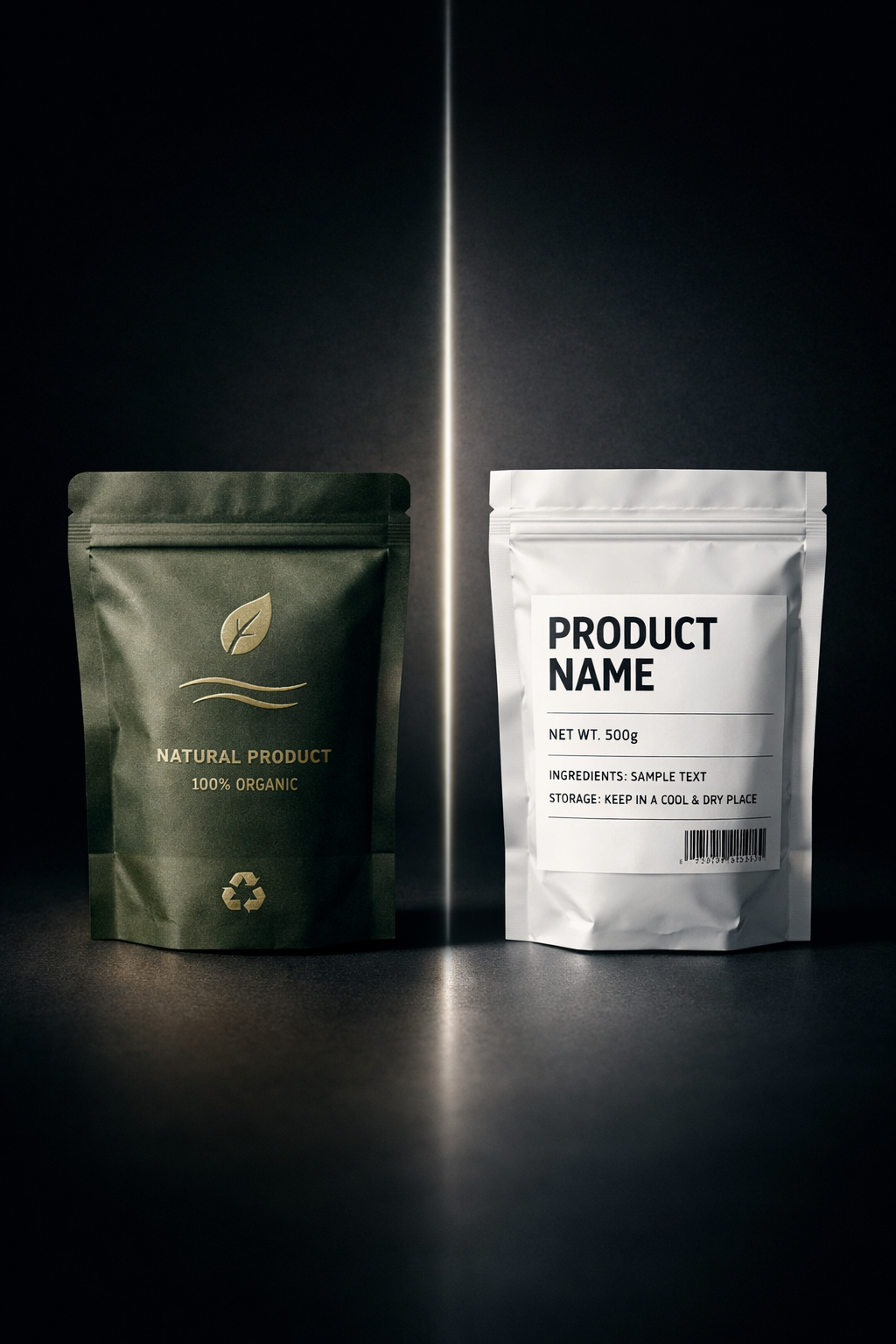
As sustainability communication matured, two strategic approaches became visible in packaging markets. One centers on messaging and symbolic positioning. The other connects environmental responsibility directly to functional and economic outcomes. Understanding this distinction clarifies why performance has become structurally important in 2026.
Below is a simplified comparison of these two approaches:
Claim-driven sustainability relies heavily on communication. It positions the brand as responsible and forward-looking, often through materials, certifications, or visual cues. This approach can generate awareness and align with consumer values, especially in premium categories.
Value-first sustainability embeds environmental responsibility within how the packaging works. Improvements in durability, material efficiency, refill compatibility, information clarity, or lifecycle transparency become part of the user experience. Sustainability becomes structurally linked to performance rather than separated as a narrative layer.
In 2026, the strategic advantage increasingly favors solutions that withstand comparison under economic pressure. When environmental responsibility strengthens functionality, it aligns with both sustainability expectations and value sensitivity.
Value-first sustainability becomes commercially effective when environmental improvements are embedded directly into how packaging performs in everyday use. Rather than separating sustainability as a communication layer, leading brands integrate it into structural design decisions, material efficiency, and user experience.
One approach involves improving material optimization without compromising protective performance. Reducing weight while maintaining durability lowers transportation impact and cost simultaneously. When structural integrity remains strong, sustainability aligns with operational efficiency rather than competing with it.
Another direction focuses on lifecycle clarity. Packaging that simplifies sorting, clearly communicates recycling pathways, or supports refill systems reduces friction for consumers. When disposal or reuse becomes intuitive, environmental responsibility feels practical rather than theoretical.
Durability and functionality also play a growing role. Packaging that extends product freshness, prevents leakage, or improves resealability reduces product waste, which often carries a higher environmental footprint than the packaging itself. In these cases, sustainability improves through performance enhancement rather than through messaging.
Transparency contributes to value perception as well. Clear labeling, accessible lifecycle information, and measurable reductions build confidence. When performance data is specific and verifiable, sustainability becomes part of rational evaluation rather than brand storytelling.
Across categories, the pattern is consistent. Environmental responsibility generates stronger commercial impact when it enhances usability, efficiency, and long-term value. This alignment reflects the economic reality of 2026, where sustainability must coexist with price sensitivity and convenience expectations.
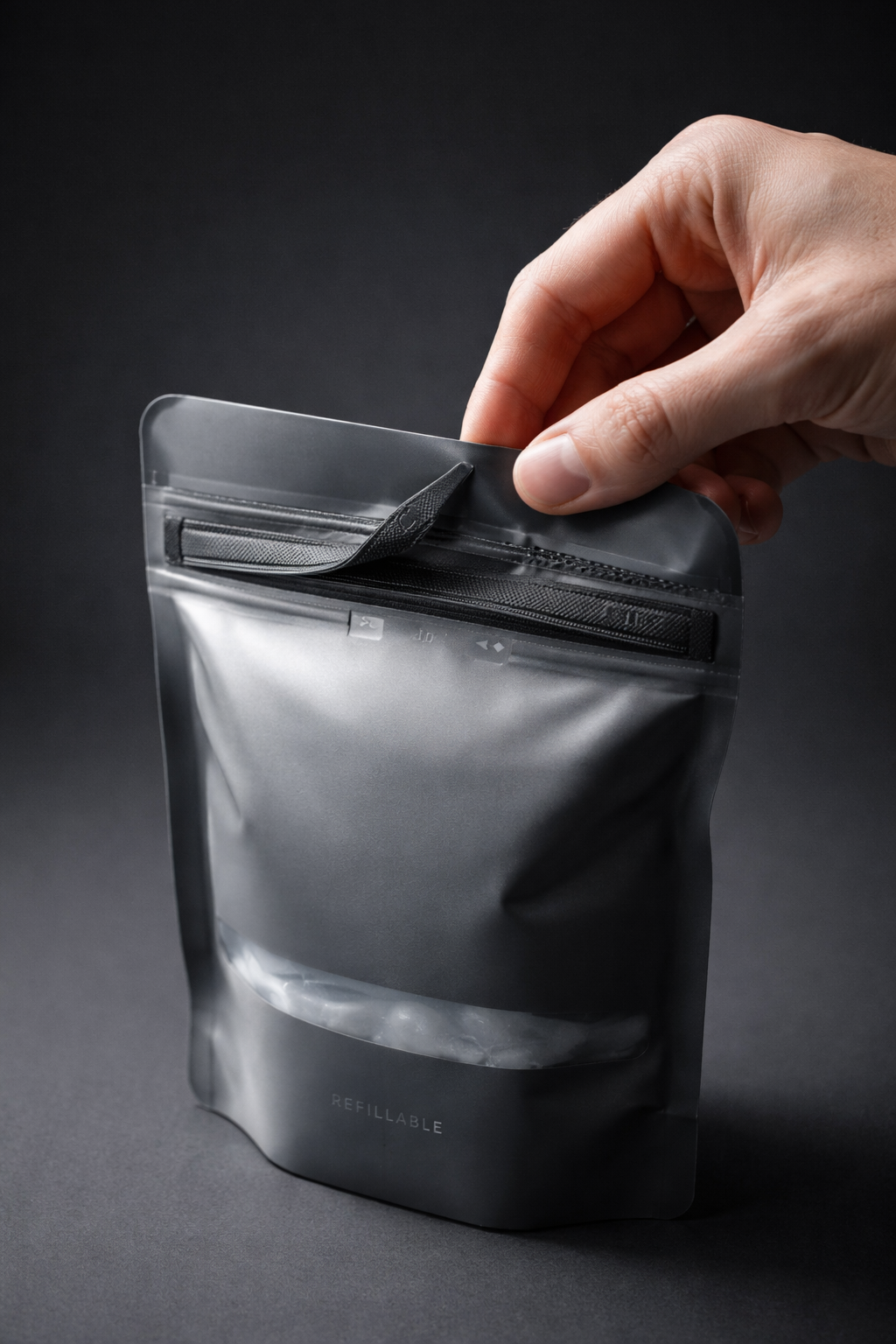
As packaging shifts toward measurable performance, light-based interfaces are becoming part of structural design strategy rather than visual enhancement. Within broader Packaging Trends 2026 analysis, interactive packaging technologies increasingly support usability, clarity, and lifecycle efficiency.
Among the technologies shaping performance-oriented packaging in 2026, printed OLED packaging technology stands out for its ultra-thin structure, low energy consumption, and integration flexibility. Unlike traditional electronic components, printed OLED surfaces can be embedded directly into labels or packaging layers without adding significant bulk. This enables light-based communication to function as guidance, status indication, or authentication support.
When illumination improves correct usage, signals freshness, supports refill systems, or enhances consumer interaction clarity, it contributes to measurable outcomes. In value-first sustainability frameworks, such outcomes matter because they connect environmental responsibility with performance improvements. Reduced misuse, extended product life, and clearer communication can influence waste reduction at the product level.
OLED packaging systems also align with the broader shift from static packaging to responsive interfaces. As digital-first retail and research-driven shopping expand, packaging that communicates dynamically can support transparency and trust. Light-based feedback transforms packaging from a passive surface into a performance layer that interacts with the consumer.
In this context, printed OLED packaging represents more than technological novelty. It operates within the same economic logic that defines value-first sustainability in 2026: measurable benefit, usability enhancement, and lifecycle-aware design.

In 2026, sustainability in packaging operates within structural economic pressure. Consumers continue to express environmental concern, yet purchasing decisions reflect price awareness, convenience expectations, and functional comparison. This environment does not weaken sustainability as a priority. It changes the conditions under which it succeeds.
Value-first sustainability responds to this shift by aligning environmental responsibility with measurable performance. When packaging improves usability, durability, lifecycle efficiency, or cost transparency, sustainability becomes part of rational evaluation. It integrates into value perception rather than relying solely on ethical positioning.
The strategic implication is clear. Brands that connect sustainability to functional advantage strengthen credibility across segments, including value-conscious and research-driven consumers. Environmental progress becomes more resilient when it enhances everyday experience and withstands economic scrutiny.
In this context, performance is not separate from sustainability. It is the mechanism through which sustainability scales.
Contact us to discuss how value-first packaging frameworks and light-based interfaces can support your 2026 roadmap.
This section is periodically updated as new data, market research, and technological developments emerge.
What does value-first sustainability mean in packaging?
Value-first sustainability in packaging describes an approach where environmental responsibility is aligned with measurable performance, usability, and economic value. Brands focus on improvements that enhance functionality and reduce waste rather than relying primarily on sustainability messaging.
Are consumers willing to pay more for sustainable packaging?
Consumer willingness to pay more for sustainable packaging exists but remains segmented. A smaller group accepts noticeable price increases, while most consumers expect sustainability to be integrated without significant additional cost.
How does Gen Z influence sustainable packaging strategy?
Gen Z combines environmental awareness with strong price sensitivity and research-driven shopping behavior. Sustainable packaging strategies that provide transparency, usability, and measurable benefits align more closely with this generation’s purchasing patterns.
Is OLED packaging sustainable?
Printed OLED packaging can support sustainability when designed for low energy use and functional performance. Its impact depends on lifecycle design, integration efficiency, and whether illumination contributes to measurable reductions in misuse or product waste.
Why is performance important in sustainable packaging in 2026?
Performance is important because consumers evaluate sustainability alongside price, convenience, and functionality. Packaging that improves usability, durability, or lifecycle efficiency strengthens credibility and long-term value perception.
Last updated: February 2026
SOURCES:
(2)https://www.pwc.com/gx/en/news-room/press-releases/2024/pwc-2024-voice-of-consumer-survey.html
(3)https://www.shorr.com/resources/blog/sustainable-packaging-consumer-report/
(4)https://www.mdpi.com/2071-1050/18/3/1235
(5)https://www.packnode.org/en/sustainability/mckinsey-sustainable-packaging-willingness
(6)https://www.lifocolor.de/en/news-events/sustainable-packaging-willingness-to-pay/
.svg)


